Best Time to Visit Dayara Bugyal: Summer, Winter & Snow Trek Guide
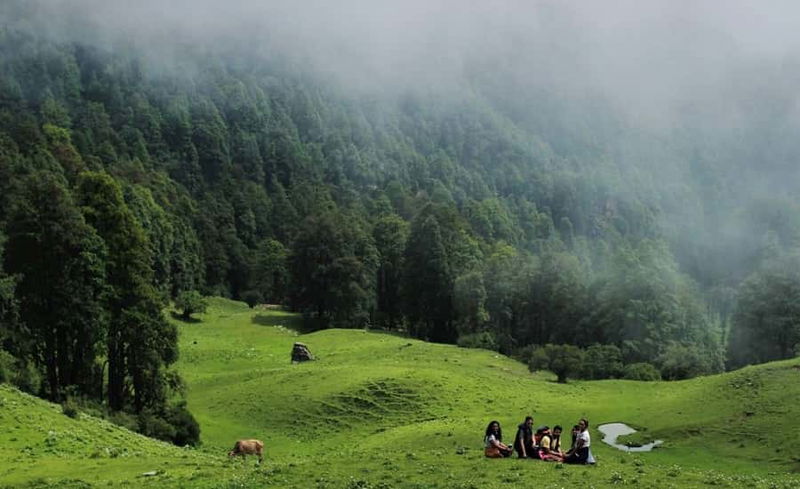
The best time to visit Dayara Bugyal depends on the kind of Himalayan experience you want. May and June are ideal for green meadows and comfortable trekking, while late September to November generally offers clearer post-monsoon mountain views. If your priority is snow, December to February is the period most travelers consider, although actual snowfall and trail conditions can vary significantly from year to year.
Located in Uttarkashi district of Uttarakhand, Dayara Bugyal is a high-altitude meadow landscape known for its expansive grasslands, forest trails, Himalayan views, and winter snow. The wider meadow area extends across roughly 2,600 to 3,500 metres, according to the Uttarkashi district administration. Uttarakhand Tourism separately lists Dayara Bugyal at around 3,048 metres, so altitude figures can differ depending on the specific point being described.
Whether you want to trek through green alpine meadows in summer, enjoy autumn scenery, or experience a snow-covered landscape in winter, choosing the right season can make a major difference to your trip.
Best Time to Visit Dayara Bugyal by Season
Dayara Bugyal changes considerably throughout the year. Instead of considering one season universally "best," choose your travel period according to your preferred landscape and trekking conditions.
March to April: Spring and the Transition from Winter
March and April are transition months at Dayara Bugyal. Snow can remain on higher sections after winter, while lower areas gradually begin to lose their snow cover and show signs of spring.
Conditions during this period can vary considerably. A late winter snowfall may leave snow on sections of the trail, while warmer weather can accelerate melting. Therefore, travelers should not expect either a completely snow-covered landscape or fully green meadows throughout these months.
April is generally more suitable than March for travelers looking for the beginning of the spring transition, but recent weather conditions should always be checked before departure.
Best for: Travelers who enjoy changing Himalayan landscapes, fewer crowds, and a combination of late-winter and early-spring scenery.
May to June: Best Time for Green Meadows
May and June are among the most popular months for a regular Dayara Bugyal Trek. As winter snow recedes, the famous alpine meadows become increasingly green, creating the landscape that Dayara Bugyal is best known for.
May is a particularly good option for beginners who want to experience Himalayan trekking without deliberately seeking deep winter snow. Daytime conditions are generally more comfortable than in winter, although temperatures can still drop significantly after sunset.
June continues to offer green landscapes and long daylight hours. However, as the month progresses, weather patterns begin moving toward the monsoon period, so travelers planning a late-June trek should monitor forecasts carefully.
Why Choose May and June?
Green alpine meadows
Comfortable conditions compared with winter
Good opportunities for landscape photography
Suitable period for travelers new to Himalayan trekking
Better access to open meadow scenery than during the winter months
A beginner-friendly season does not mean the trek requires no preparation. Dayara Bugyal remains a high-altitude destination, so regular walking practice, appropriate footwear, warm layers, and proper acclimatization are important.
July to August: Monsoon Season
July and August are generally the least favorable months for planning a Dayara Bugyal trek. Uttarakhand experiences significant monsoon rainfall, which can affect mountain roads as well as trekking trails.
Rain can make trails muddy and slippery, reduce visibility, and create additional risks on mountain routes. Thunderstorms and lightning can also make exposed sections of a high-altitude meadow less suitable for trekking.
For most travelers, it is better to plan Dayara Bugyal outside the peak monsoon period.
If you are considering travel during this period, check the latest weather forecast, road conditions, local advisories, and trail status before leaving. Never treat a previously available route as automatically safe during heavy rainfall.
Best for: Not recommended for a planned regular trekking holiday unless current local conditions are confirmed to be suitable.
Late September to November: Best Time for Autumn Views
Late September through November is another excellent period for visiting Dayara Bugyal. After the monsoon, the weather generally becomes more favorable for trekking, while clearer conditions can provide impressive views of the surrounding Himalayan ranges.
Late September
September is a transition month. The earlier part of the month can still be affected by monsoon weather, while conditions often become more suitable toward the latter part.
If you are planning a September trek, do not rely only on the calendar. Check recent rainfall, road access, and trail conditions.
October
October is one of the strongest choices for travelers who want comfortable autumn trekking and mountain views. The landscape begins changing from the bright green appearance of summer toward autumn shades, while the post-monsoon atmosphere can offer clearer views.
October is particularly attractive for photography and travelers who prefer dry-season trekking rather than snow trekking.
November
November becomes increasingly cold, especially during mornings and nights. Snowfall may occur depending on the year's weather pattern, but early November should not be promoted as a guaranteed snow period.
Best for: Clearer mountain views, autumn landscapes, photography, and trekkers who do not specifically need snow.
December to February: Best Time for a Snow Experience
Winter transforms Dayara Bugyal into a dramatically different landscape. Snow can cover the meadows and surrounding trails, creating the classic winter trekking experience that attracts adventure travelers.
Dayara Bugyal is also recognized by Uttarakhand's tourism authorities for winter skiing and snow-related activities.
However, there is an important point to remember: snowfall is not guaranteed on a particular date. Snow depth, freshness, and trail coverage vary from one winter to another. Therefore, travelers should confirm recent snowfall and current trail conditions rather than relying on photographs from previous years.
December
December marks the beginning of the main winter period. Depending on the year's snowfall pattern, travelers may encounter increasing snow coverage as the month progresses.
If you are planning specifically for snow, check conditions close to your travel date.
January
January can offer classic winter conditions, with substantial snow possible at higher elevations. It is a popular month for travelers seeking a snow-covered Dayara Bugyal.
Winter trekking, however, is more demanding than trekking in summer. Snow can obscure parts of the trail, make surfaces slippery, and increase exposure to cold.
February
February can continue to offer winter and snow conditions, although the actual amount of snow depends on weather patterns during that particular season.
Travelers interested in skiing should separately confirm snow conditions, equipment availability, and instructor or local operator availability.
Is Winter Trekking Suitable for Beginners?
The regular Dayara Bugyal Trek is often considered suitable for beginners who are physically prepared. Winter conditions are different.
Snow, cold temperatures, shorter effective daylight, and changing trail conditions can increase the difficulty. First-time winter trekkers should use experienced local or professional guidance and carry suitable winter clothing and equipment.
Dayara Bugyal Month-by-Month Guide
Understanding the year month by month makes it easier to select the right travel window.
March: Late-winter conditions may continue, particularly at higher elevations. Snow can remain after winter.
April: Spring transition begins, with snow gradually retreating and early greenery appearing.
May: Green meadow season becomes more prominent and trekking conditions are generally more comfortable.
June: Lush landscapes continue, with longer daylight hours, although monsoon weather approaches later in the month.
July: Peak monsoon conditions can bring rain, slippery trails, and travel disruptions.
August: Monsoon remains a major consideration; trekking is generally less advisable.
September: The month transitions from monsoon toward clearer post-monsoon conditions, particularly later in the month.
October: One of the best periods for autumn trekking, photography, and Himalayan views.
November: Cooler conditions arrive and winter gradually approaches; snowfall cannot be guaranteed.
December: Winter sets in and snow becomes increasingly possible, depending on the year's weather.
January: Strong winter conditions and snow are possible, making it a popular period for snow trekking.
February: Winter continues, with snow conditions depending on recent snowfall and temperatures.
Best Time to Visit Dayara Bugyal for Different Experiences
For Green Meadows
Choose May to June if your main goal is to see the meadow landscape in its greener form.
For Snow Trekking
Choose December to February, but confirm actual snowfall and trail conditions before booking.
For Beginners
May, June, and October are practical seasons to consider for a first regular trek, provided you are physically prepared and conditions are suitable.
For Photography
Choose May–June for green landscapes or October–November for autumn scenery and potentially clearer mountain views.
For Skiing
Winter is the relevant season. Dayara Bugyal is recognized for skiing, but suitable snow and operational arrangements should be confirmed before your trip.
Dayara Bugyal Trek Route and Distance
Dayara Bugyal can be approached through routes associated with villages such as Barsu and Raithal. Official government sources give slightly different distances depending on the route and point being measured.
Uttarakhand Tourism lists an approximately 8-km trek from Barsu to Dayara Bugyal, while the Uttarkashi district administration currently describes the trek from Barsu as around 9 km. Government tourism planning material also identifies the Raithal approach as a shorter route.
Because routes and measurement points differ, it is better to check the exact distance against your chosen itinerary rather than relying on one universal figure.
Dayara Bugyal Altitude and Trekking Conditions
Dayara Bugyal is a high-altitude meadow region rather than a single point with one universally reported elevation. The Uttarkashi district administration places the wider grassland area roughly between 2,600 and 3,500 metres, while Uttarakhand Tourism lists the destination at approximately 3,048 metres.
This variation is important when discussing altitude online. Travelers should prepare for high-altitude conditions regardless of the exact figure associated with their itinerary.
Do not underestimate the trek simply because it is considered beginner-friendly. Fitness, pacing, hydration, weather, and acclimatization can all affect your experience.
What to Pack According to the Season
Summer
For May and June, carry:
Comfortable trekking shoes with good grip
Lightweight trekking clothes
Fleece or warm layer
Waterproof rain jacket
Sunglasses and sunscreen
Water bottle
Personal medicines and basic first-aid supplies
Headlamp
Backpack rain cover
Even during summer, warm clothing is necessary for cold evenings and early mornings.
Winter
For December to February, your packing list should include:
Thermal base layers
Insulated winter jacket
Warm fleece
Woollen cap
Gloves
Multiple pairs of warm socks
Waterproof trekking footwear suitable for snow
Headlamp
Personal medicines
Backpack rain/snow protection
Depending on the current trail, your operator may recommend additional equipment such as gaiters or traction aids. Follow current local guidance rather than buying equipment based only on old trip reports.
How to Choose the Right Month
Before finalizing your Dayara Bugyal Trek, ask yourself three questions:
Do I want greenery or snow?
Choose May–June for green meadows and December–February for a potential snow experience.
Do I want easier seasonal conditions?
May–June and October are generally more practical than peak winter or monsoon for a regular trek.
Am I specifically traveling for snow?
Do not book solely because a calendar says "winter." Confirm recent snowfall, snow depth, road access, and trail conditions close to departure.
Mountain conditions can change quickly, so the latest local information is more useful than a fixed promise about what you will see on a particular date.
Frequently Asked Questions
What is the best month to visit Dayara Bugyal?
May and October are two strong options for different reasons. May offers the beginning of the green meadow season, while October generally provides favorable autumn trekking conditions and mountain views. For snow, January and February can be considered, subject to actual snowfall.
When does it snow in Dayara Bugyal?
Snowfall is generally associated with the winter period, particularly December to February, but the timing and amount vary every year. A specific date should never be treated as a guaranteed snowfall date.
Is Dayara Bugyal good for beginners?
Yes, the regular trek can be suitable for fit beginners with appropriate preparation. Winter snow can make the same route more demanding, so beginners should take additional precautions during the snow season.
Is Dayara Bugyal safe during monsoon?
Monsoon creates additional risks because of heavy rainfall, slippery trails, reduced visibility, and possible road disruptions. For this reason, July and August are generally not preferred for a planned Dayara Bugyal trek.
Is October better than May for Dayara Bugyal?
It depends on what you want. Choose May for greener meadows and October for autumn scenery, potentially clearer post-monsoon views, and cooler trekking conditions.
Can I visit Dayara Bugyal in January?
Yes. January is a popular winter period, particularly for travelers seeking snow. However, confirm current snowfall, road access, and trail conditions before departure.
How many days are enough for the Dayara Bugyal Trek?
The duration depends on your starting point and itinerary. Organized itineraries commonly take several days including travel and trekking, so check the exact schedule offered for your chosen route rather than assuming one fixed duration.
Final Verdict: What Is the Best Time to Visit Dayara Bugyal?
There is no single month that is best for every traveler.
For green meadows and a comfortable regular trek, May and June are excellent choices. For autumn landscapes and clearer post-monsoon mountain views, October and early November are attractive. For a snow experience, December to February is the preferred winter window, but actual snowfall varies each year.
If you are a beginner, May, June, or October can be sensible choices for a first regular trek. If you want to experience Dayara Bugyal in winter, prepare specifically for snow and cold rather than treating it like a summer trek.
Most importantly, use the calendar as a planning guide—not a guarantee. Check recent weather, snowfall, road access, and trail conditions before departure, and follow advice from your trekking operator and local authorities.
With the right season and preparation, Dayara Bugyal offers a distinctly different Himalayan experience in every part of the year—from green alpine meadows in summer to snow-covered landscapes in winter.
Comments
No comments yet. Be the first to comment!